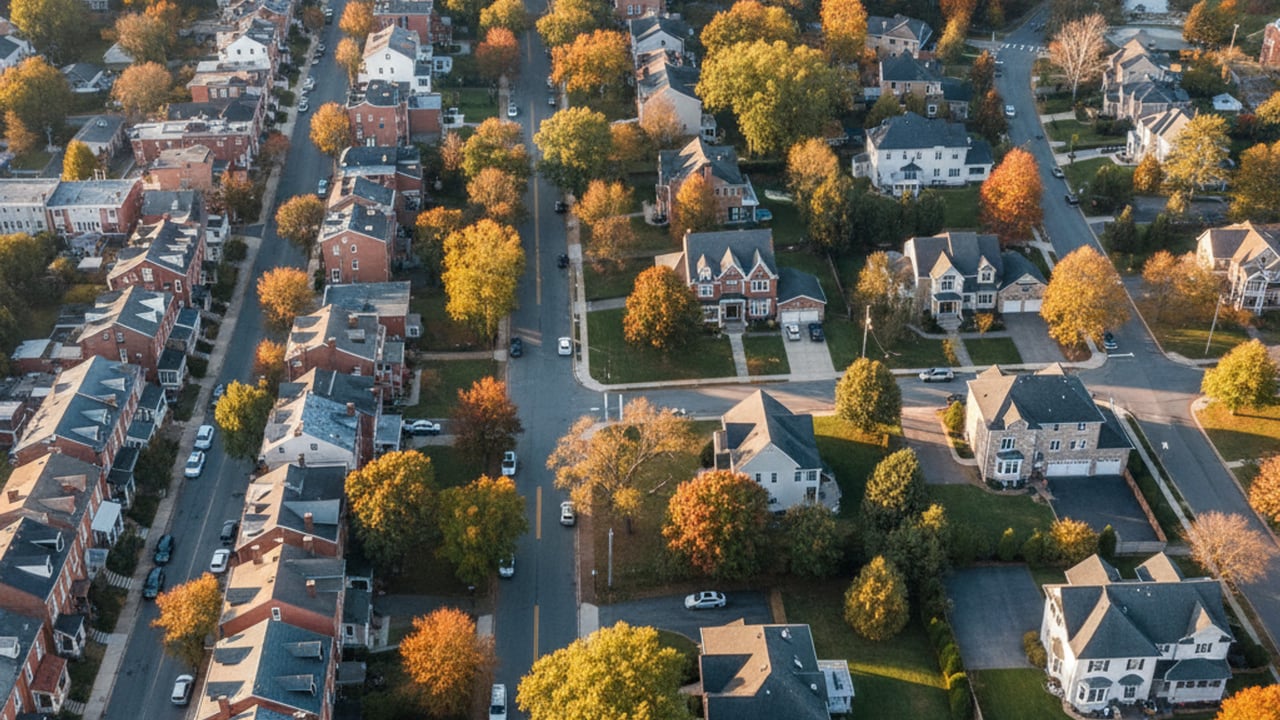
Evaluating a new city requires looking past the surface to understand the daily reality of living there. For those considering a move to Washington County, asking "is Hagerstown MD safe" is often the first step in the research process. Hagerstown serves as a major regional hub in western Maryland, drawing buyers with its historic architecture and strategic location.
Making an informed decision means analyzing current crime statistics, commute times, and real estate trends. The 2026 housing market here offers distinct opportunities, but buyers need clear, objective data to weigh their options. This guide examines the most recent numbers and local infrastructure to help you understand exactly what the city has to offer.
Objective Safety Analysis: Understanding Hagerstown Crime Statistics
When evaluating whether a location meets your criteria, reviewing official data from the Uniform Crime Reports and local authorities provides the clearest picture. The overall crime rate in Hagerstown is historically higher than the national average, sitting approximately 50 percent above the baseline for the United States. This statistical reality requires buyers to look closely at specific districts rather than painting the entire city with a broad brush.
Geographic location plays a significant role in the volume of reported incidents across the city. The Northwest section of the city generally reports lower crime incidents compared to the more densely populated central districts. Buyers focusing their search on the outer edges of the city limits often find a different statistical profile than those looking at downtown properties.
The Hagerstown Police Department maintains active patrol divisions and provides resources for residents to track local incidents. Anyone researching specific streets or blocks can access the official Hagerstown crime map through local municipal portals to review recent reports. Relying on this localized data is the most effective way to evaluate a specific property before making an offer.
Violent Crime vs. Property Crime Rates
Breaking down the broader statistics reveals a stark contrast between different types of offenses in the area. Property crime makes up the vast majority of reported incidents, with a rate of approximately 24 per 1,000 residents. These figures are driven primarily by theft and burglary, particularly in commercial corridors and high-traffic residential zones.
Violent crime occurs at a notably lower frequency, registering at roughly 4.3 incidents per 1,000 residents. Implementing basic precautions can significantly reduce the risk of experiencing property-related issues in the city. Installing modern home security systems and consistently remembering to lock your car doors are highly recommended strategies for all residents.
Neighborhood Features and Commute Dynamics
Hagerstown operates as the primary economic and transit hub for Washington County, making it a strategic choice for regional commuters. The city sits directly at the intersection of two major interstates, providing straightforward routes to neighboring states and major employment centers. This geographic advantage is a major driving force for buyers looking to balance housing costs with access to larger metropolitan areas.
Daily travel times are heavily influenced by your proximity to these main arteries. A standard drive to Frederick takes approximately 30 to 35 minutes during typical morning conditions. Those commuting further east to Baltimore can expect a drive time of roughly 1 hour and 20 minutes when traffic is moving smoothly.
Access to Public Transportation and Major Highways
Navigating the city and surrounding region is supported by a mix of local transit networks and well-planned road infrastructure. The Dual Highway serves as a primary commercial artery, offering rapid access across the city and direct connections to the interstates. Choosing a property near this corridor can drastically cut down on daily driving times for local workers.
Residents who prefer not to drive have several reliable options for regional travel. The local transit infrastructure includes the following key services:
-
The Washington County Transfer Center operates as the central hub for local daily bus routes.
-
Regional bus services connect Hagerstown directly to Frederick and downtown Baltimore.
-
Transit routes to Baltimore take approximately 1 hour and 40 minutes, providing a hands-free commute option.
Local Amenities and Healthcare Infrastructure
Beyond the practicalities of commuting, the city features a robust network of recreational and cultural facilities. Fairgrounds Park provides extensive walking trails, athletic fields, and open green spaces right within the city limits. The Hagerstown Cultural Trail connects the downtown area to local parks, featuring public art installations that highlight the city's history.
Recent downtown revitalization efforts have brought new life to the central business district. The Arts and Entertainment District hosts galleries, performance venues, and local dining options that draw visitors from across Washington County. These localized investments have steadily improved the commercial landscape and added distinct value to surrounding residential streets.
Access to comprehensive medical care is another critical factor for anyone relocating to western Maryland. Meritus Medical Center serves as the primary healthcare facility for the region, offering advanced emergency services and specialized care. Having a major hospital system located just outside the city center provides significant peace of mind for local residents.
Hagerstown Real Estate Market Trends in 2026
The housing market in Hagerstown offers a distinct price advantage compared to the eastern counties of Maryland. In early 2026, the median home price sits at approximately $350,000, presenting opportunities for both first-time buyers and seasoned investors. The local MLS remains highly active, with well-priced properties moving quickly due to tight inventory levels across Washington County.
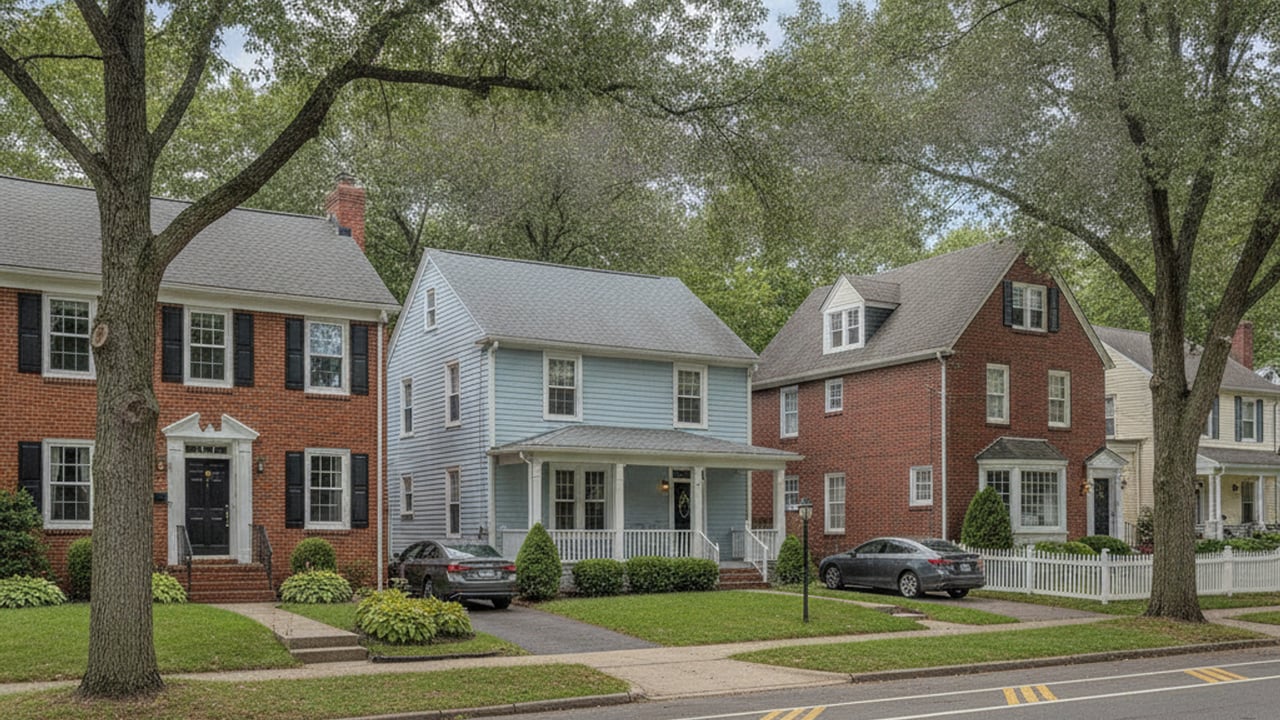
Buyers will find a diverse range of architectural styles depending on which part of the city they explore. The historic downtown area features classic rowhomes and early 20th-century architecture, while the outer boundaries offer newer suburban builds with larger lot sizes. Understanding these micro-markets is essential for finding a property that aligns with your specific budget and lifestyle requirements.
Factoring in local property taxes is a crucial step when calculating your approximate monthly carrying costs. Property owners here navigate a dual tax structure that includes the Washington County base rate of roughly 0.92 percent. Properties located inside the city limits are subject to additional municipal taxes, resulting in a higher effective rate that buyers must account for during the pre-approval process.
Education Access in Washington County
Educational infrastructure is a foundational element of any local real estate market, directly impacting long-term property values. Washington County Public Schools operates the primary educational system serving Hagerstown residents, managing numerous facilities across the district. The system provides access to specialized magnet programs and technical training centers designed to support diverse academic interests.
Higher education options are also readily available without leaving the immediate area. Hagerstown Community College offers a wide range of degree programs, continuing education courses, and workforce certification tracks. Proximity to these academic institutions adds a layer of stability to the local economy and provides valuable resources for residents pursuing career advancement.
The geographic distribution of these schools means that commute times for students vary significantly by zip code. Reviewing specific district boundaries and bus route maps is a necessary step when evaluating a potential new home. Buyers should always consult official district resources to verify current school assignments for any property they are considering.
Frequently Asked Questions
Which neighborhoods in Hagerstown have the lowest reported crime rates?
Based on recent data, the Northwest section of the city generally records the lowest volume of reported incidents. Areas further from the central downtown commercial districts tend to experience fewer property crimes and traffic-related issues. Reviewing the official Hagerstown crime map can help you verify the statistics for specific streets.
What is the crime rate in Hagerstown compared to the rest of Maryland?
The overall crime rate in Hagerstown sits approximately 50 percent higher than the national average, which also places it above the Maryland state average. However, the vast majority of these incidents are property crimes, such as theft and burglary, rather than violent offenses. Comparing specific zip codes rather than entire cities provides a more accurate statistical picture.
Is Hagerstown, MD a good place to live?
Hagerstown offers a strong balance of accessible real estate, with a 2026 median home price of approximately $350,000. The city features robust healthcare infrastructure, direct access to major highways, and standard commute times of roughly 35 minutes to Frederick. For buyers seeking a regional hub with historic architecture and modern amenities, it presents a highly viable option.