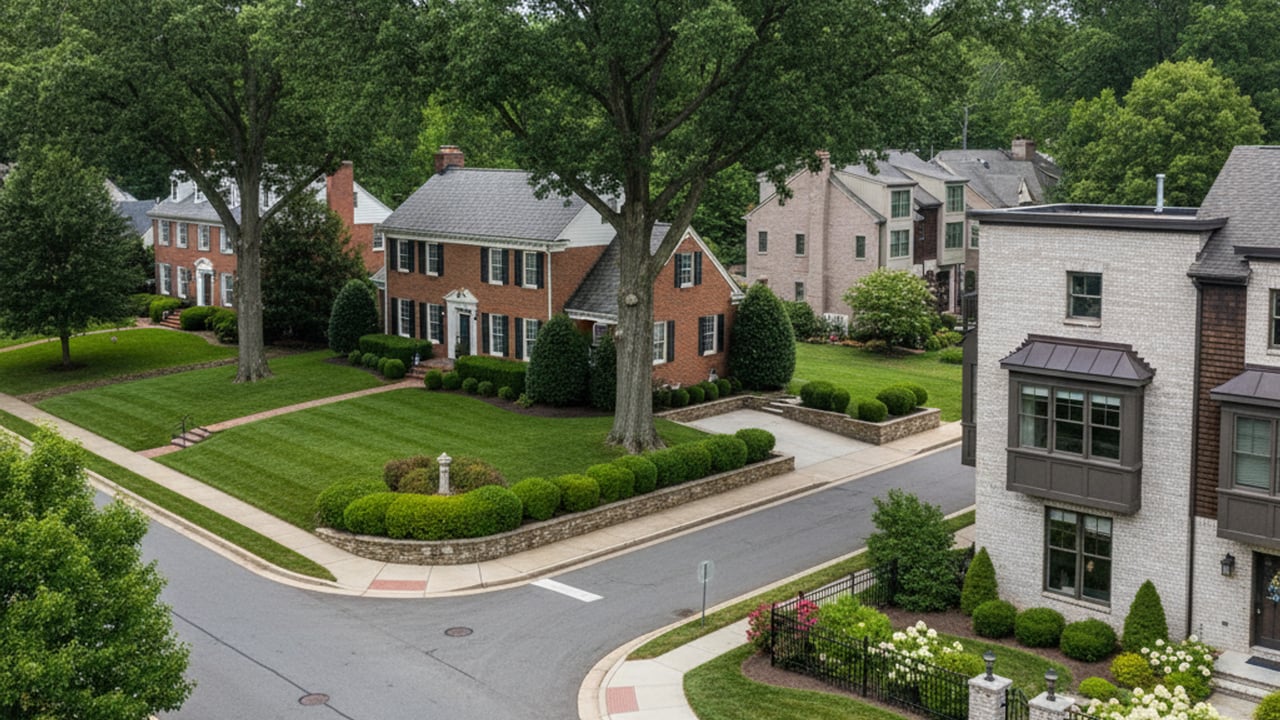
When you are evaluating properties in Western Maryland, understanding the local weather patterns is just as crucial as checking the property taxes or school districts. Buyers often focus on square footage and finishes, but the regional climate plays a massive role in long-term maintenance costs and utility bills. Hagerstown offers four distinct seasons that directly influence how homes are built, insulated, and maintained over time.
Knowing what to expect from the sky above can help you budget for energy costs and plan for seasonal upkeep. Whether you are looking at a historic brick colonial downtown or a new construction townhouse near the Pennsylvania line, the environment will test your exterior materials. A clear understanding of the weather and climate in Hagerstown MD ensures you make a confident, well-prepared real estate investment.
Understanding Hagerstown's Climate and Geography
Hagerstown sits in the heart of Washington County within the Hagerstown Valley, creating a classic humid continental climate. This means residents experience four clearly defined seasons with significant temperature swings between January and July. The local geography plays a massive role in directing storm systems and settling temperature inversions across the valley floor.
The area receives an average annual precipitation of approximately 40 inches, which keeps the regional landscape green but requires robust residential drainage systems. Humidity levels can climb significantly during the mid-summer months, making efficient central air conditioning a strict necessity for homebuyers. My top takeaway for buyers is that understanding this valley geography explains why homes here need heavy-duty vapor barriers and excellent foundation grading.
How the Appalachian Mountains Shape the Weather
The surrounding Appalachian Mountains heavily influence local conditions by creating a mild rain shadow effect. This topography helps moderate some severe weather systems moving in from the west, but it can also trap cold air during winter nor'easters through a process called cold air damming. The city sits at an elevation of roughly 538 feet, which helps maintain steady typical wind speeds of 5 to 10 mph.
These geographic features also impact atmospheric convection during the warmer months. When hot air rises from the valley floor and meets the cooler mountain ridges, it frequently triggers localized summer rain showers. Buyers looking at properties on higher elevations just outside the city limits should expect slightly cooler temperatures and stronger evening breezes.
Seasonal Breakdown: Temperatures, Rainfall, and Snow
Property owners in Hagerstown must prepare for a wide spectrum of temperatures throughout the calendar year. Summer brings average July highs around 88 degrees Fahrenheit, though high regional humidity can make it feel significantly warmer. Conversely, winter temperatures regularly dip below freezing, with January lows dropping to roughly 22 degrees Fahrenheit.
The transitional seasons of spring and fall are generally mild, though spring showers bring a higher chance of precipitation and numerous mostly cloudy days. Winter brings moderate snowfall accumulation, usually averaging around 30 inches annually depending on the specific storm tracks. The most important takeaway here is that buyers should prioritize homes with high-efficiency, dual-season HVAC systems rather than relying on older baseboard heat or window units.
Extreme Weather Risks and Preparedness
While the mountains provide some shelter, Washington County still experiences its share of intense weather events. The National Weather Service closely monitors regional conditions, pulling official climate data directly from the Hagerstown Regional Airport weather station. Buyers should be aware of the following weather patterns when evaluating property resilience:
-
Summer months bring a high frequency of severe weather, particularly late-afternoon thunderstorms with heavy rainfall.
-
While the tornado risk is notably lower here compared to the Midwest, strong storm cells occasionally produce large hail that can damage aging roofs.
-
Checking the current weather and hourly weather updates during spring can help homeowners prepare for sudden flash flooding in low-lying residential areas.
Evaluating a home's roof age and siding condition is critical during your inspection period due to these occasional hail risks. Upgraded architectural shingles and impact-resistant siding offer excellent protection against unexpected summer squalls.
How Climate Impacts Hagerstown Homes and Utilities
The diverse weather patterns directly impact how much it costs to operate a home in this part of Maryland. Because of the hot summers and freezing winters, heating and cooling account for the largest portion of a homeowner's energy consumption. Maryland operates on a deregulated electricity market, meaning buyers can shop around for competitive supply rates to help offset seasonal spikes.
Average monthly electricity bills in the area typically range from $80 to $215, depending heavily on the home's square footage, insulation quality, and chosen provider. The seasonal temperature swings also cause structural expansion and contraction, which accelerates wear on exterior paint, caulking, and roof flashing. A critical takeaway for investors and buyers is to budget for slightly higher utility costs during peak January and July months.
Seasonal Maintenance for Washington County Properties
Keeping a property in top condition requires staying ahead of the forecast and performing routine seasonal maintenance. Preventative care protects your investment and prevents minor weather damage from becoming a massive structural repair. Local homeowners should prioritize these specific seasonal tasks:
-
Winterize exterior pipes and clear roofs of heavy snow accumulation to prevent ice dams during freezing temperatures.
-
Clean gutters and direct downspouts away from the foundation before heavy spring storms arrive.
-
Review local Homeowner Association regulations regarding mandatory winter snow removal on sidewalks and driveways.
-
Schedule bi-annual HVAC inspections in spring and fall to maintain peak energy efficiency.
Enjoying the Outdoors in Every Season
Despite the occasional severe storm or winter freeze, Hagerstown offers fantastic outdoor amenities that residents enjoy year-round. Hagerstown City Park serves as a central hub for recreation, featuring walking trails that wrap around the scenic lower lake. The park is also home to the Washington County Museum of Fine Arts and the historic Steam Engine 202 display.
Beyond the city limits, buyers who value outdoor access have incredible regional options just a short drive away. Washington Monument State Park provides direct access to the Appalachian Trail, offering spectacular hiking whether the trees are blooming in spring or covered in autumn foliage. My takeaway for buyers is that purchasing a home near these established parks provides excellent long-term property value and immediate access to nature.
Frequently Asked Questions about Hagerstown, MD Weather
Does Hagerstown, Maryland get a lot of snow?
Hagerstown receives moderate winter precipitation, averaging around 30 inches of snow annually. The area occasionally experiences heavy accumulation during winter nor'easters, which can drop a foot or more of snow at once. Homebuyers should ensure their property has a clear, manageable driveway for winter shoveling or plowing.
What is the weather like in Hagerstown, MD?
The city features a humid continental climate with four distinct seasons. Summers are generally hot and humid with highs near 88 degrees Fahrenheit, while winters are cold with lows around 22 degrees Fahrenheit. Spring and fall offer mild, comfortable temperatures perfect for enjoying local parks and outdoor recreation.
Where can I find a detailed 10-day weather forecast for Hagerstown, MD?
The most accurate 10-day weather forecast comes from the National Weather Service, which utilizes the local weather station at the Hagerstown Regional Airport. Local news stations also provide excellent hourly weather updates and radar tracking during severe summer storms. Checking these official sources is the best way to monitor the chance of precipitation before planning outdoor home maintenance.