Relocating to Washington County often comes down to balancing housing budgets with daily travel realities. Understanding commute times from Hagerstown MD is essential for anyone looking to maintain a career in major regional employment hubs while securing a more spacious property. The trade-off between square footage and highway miles requires a clear look at local traffic patterns.
The expanding Hagerstown metro area offers genuine relief from the intense housing costs found closer to the coast. Buyers frequently ask if the morning drive is manageable for a standard five-day office schedule. Evaluating the specific routes and transit options available this year helps set realistic expectations for daily travel.
Weighing Housing Costs Against Commute Times
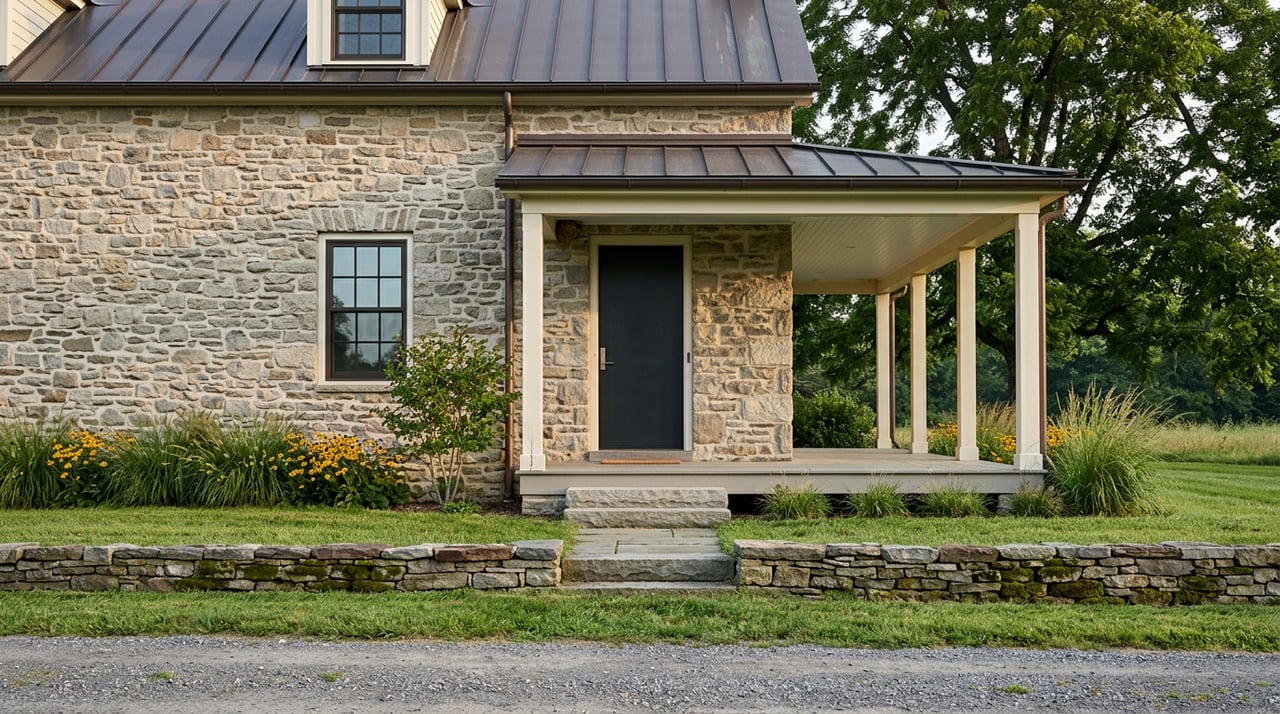
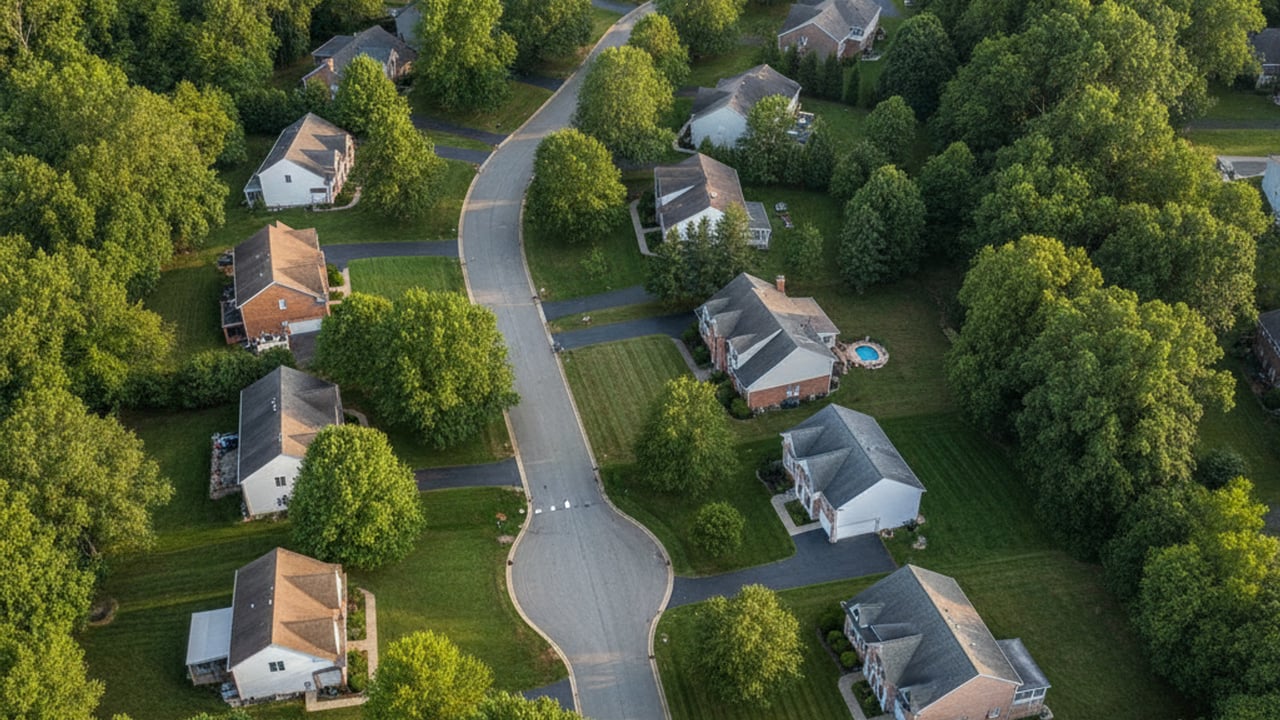
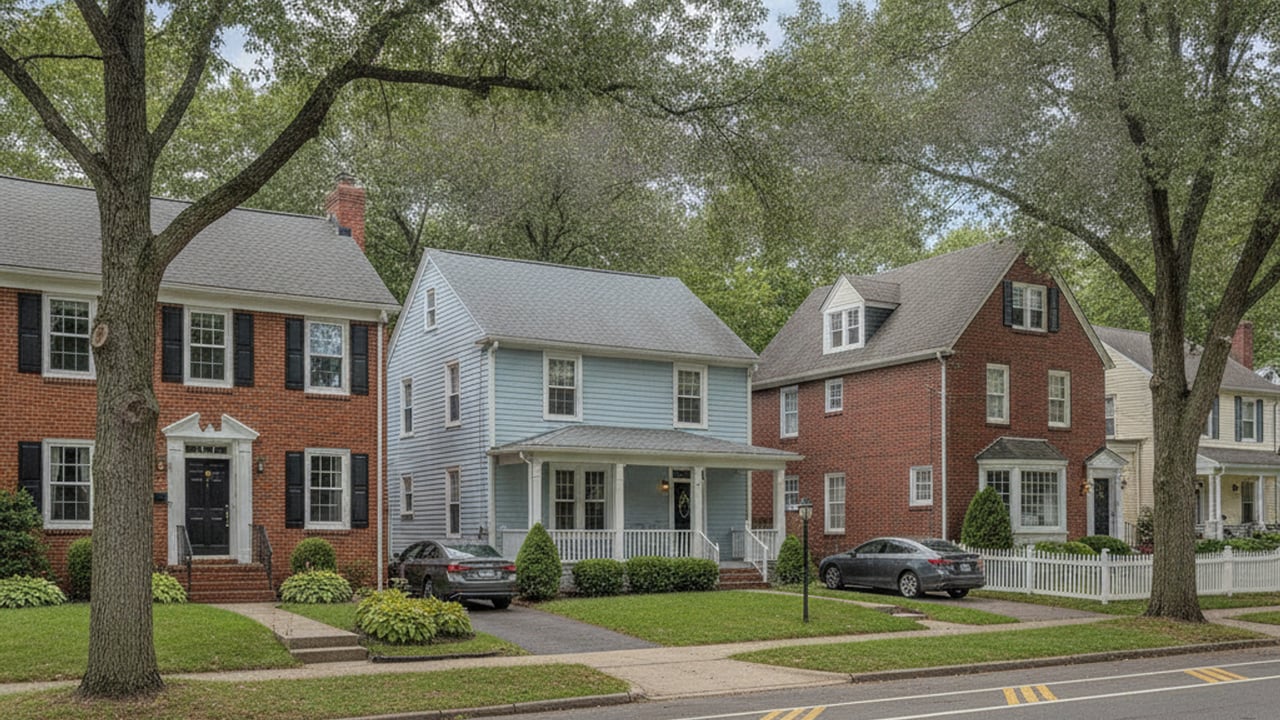
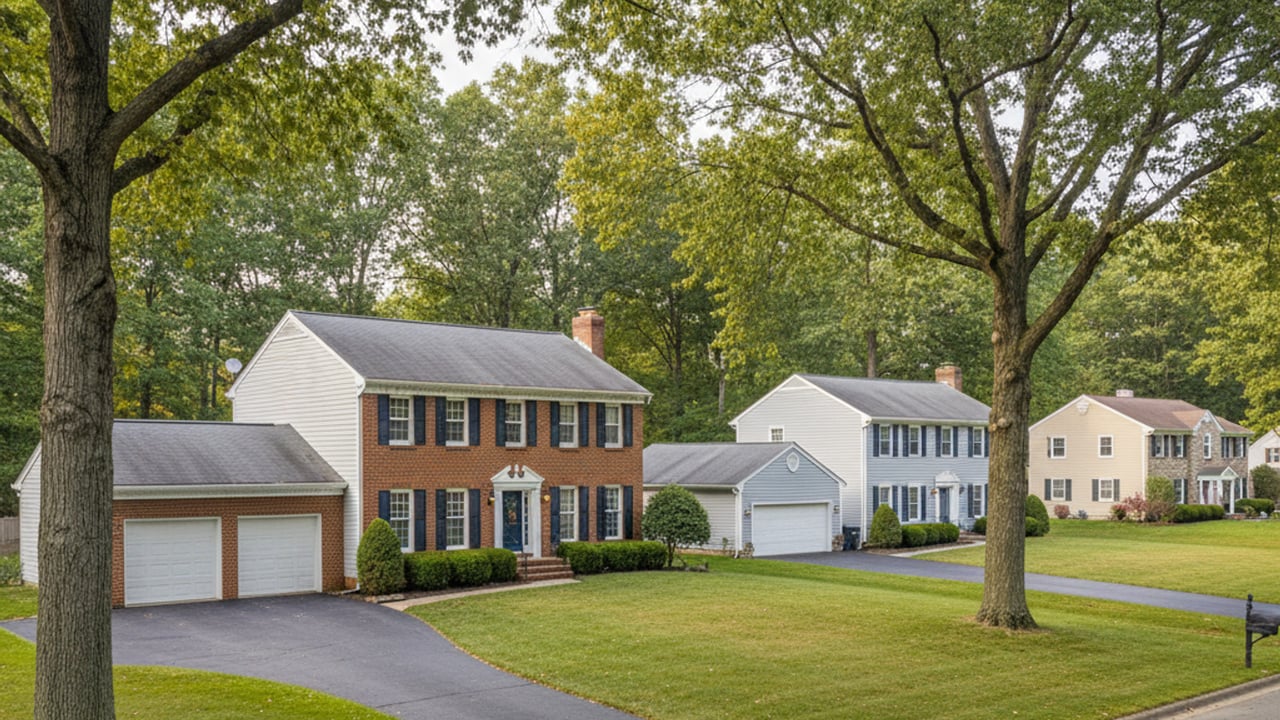
The primary reason buyers look toward Washington County is the stark contrast in real estate values compared to closer suburbs. In 2026, the median home price in Hagerstown ranges from approximately $283,000 to $349,000. This price point secures substantially more house and land than a similar budget would allow in Montgomery County or Frederick.
Buyers routinely trade a longer drive for the ability to purchase detached single-family homes or expansive townhouses. Local amenities also help offset the commuting lifestyle by keeping weekend errands close to home. Destinations like the Hagerstown Premium Outlets and Hagerstown City Park provide robust local recreation and shopping options.
Strong local infrastructure means residents rarely need to leave the immediate area for daily necessities. Facilities within the Washington County Public Schools district are distributed throughout the region to minimize local travel for students. The clear takeaway is that the longer drive to work is often justified by the property tax advantages and higher space-per-dollar ratio found here.
Major Highway Routes: Navigating I-70 and I-81
Hagerstown occupies a strategic position directly at the intersection of I-70 and I-81. This junction serves as a major logistical hub for the entire state, routing both commercial freight and daily commuters. The morning rush hour heavily favors eastbound travel on I-70 as drivers make their way toward Frederick and the greater D.C. metro area.
Those traveling westbound in the morning or eastbound in the evening enjoy a distinct reverse commute advantage. Traffic flows much more freely in these opposite directions, making employment in western Maryland or neighboring states highly accessible. Commuters heading east must remain aware of how weather events and active construction uniquely impact the mountain passes on I-70.
Winter weather in the higher elevations often creates sudden bottlenecks that delay travel times significantly. Planning alternate routes or building buffer time into the morning schedule is a mandatory practice for anyone relying on these highways. Buyers should test drive their specific route during peak hours before committing to a property.
Driving Times to Frederick, Baltimore, and Washington D.C.
Knowing the exact distance to major employment centers helps define what a sustainable routine looks like. The roughly 26-mile drive to Frederick represents the most manageable daily commute for Hagerstown residents. Traveling further east introduces more variability, especially when navigating the notoriously congested I-270 corridor.
Hybrid work schedules have transformed the commuting landscape for those employed in larger cities. Commuting two days a week makes longer distances far more tolerable than a traditional daily requirement. Here are the approximate driving times you can expect during peak morning travel:
-
Frederick: 30 to 45 minutes, representing a highly sustainable daily drive for most workers.
-
Baltimore: 1 hour 15 minutes to 1 hour 30 minutes, depending heavily on I-70 congestion near the city limits.
-
Washington D.C.: 1.5 to over 2 hours during peak rush hour, making it better suited for hybrid schedules.
Public Transit Options and MARC Train Access
Navigating public transportation requires some planning, as Hagerstown does not have a direct MARC train station within the city limits. Residents looking to utilize commuter rail must first drive to nearby stations located on the Brunswick Line. The Frederick MARC station is approximately 26 miles away and serves as the most popular boarding point.
Alternatively, the Brunswick MARC station is roughly a 35 to 40-minute drive from central Hagerstown. Relying on these stations means factoring the initial drive and parking into your total morning transit time. For those seeking bus routes, the Maryland Transit Administration provides crucial connections toward the capital.
The MTA Commuter Bus Route 505 successfully bridges the gap by connecting Hagerstown directly to the Shady Grove Metro station. This bus service allows riders to skip the stressful I-270 drive and access the broader D.C. subway network. For getting around locally, Washington County Transit offers reliable bus routes that navigate the immediate city grid.
Frequently Asked Questions
Is Hagerstown closer to Washington D.C. or Baltimore?
Driving to Baltimore is generally slightly faster and more direct via the I-70 corridor. The trip takes approximately 75 to 90 minutes and avoids the severe congestion typical of the I-270 route toward D.C. Washington D.C. often requires over two hours of travel time during peak morning rush hour.
What is considered a reasonable commute time from Hagerstown?
A 30 to 45-minute commute into Frederick is widely considered reasonable and sustainable for daily travel. Commutes extending into Washington D.C. or Baltimore are typically viewed as unreasonable for a standard five-day-a-week office schedule. Buyers working in those further cities often find success by negotiating hybrid roles that require fewer days on the road.
Are there public transit options from Hagerstown to D.C.?
There is no direct rail service from Hagerstown into the capital. Commuters can utilize the MTA Commuter Bus Route 505, which travels directly to the Shady Grove Metro station. Another viable option is driving roughly 40 minutes to the Brunswick MARC station to catch a train into the city.