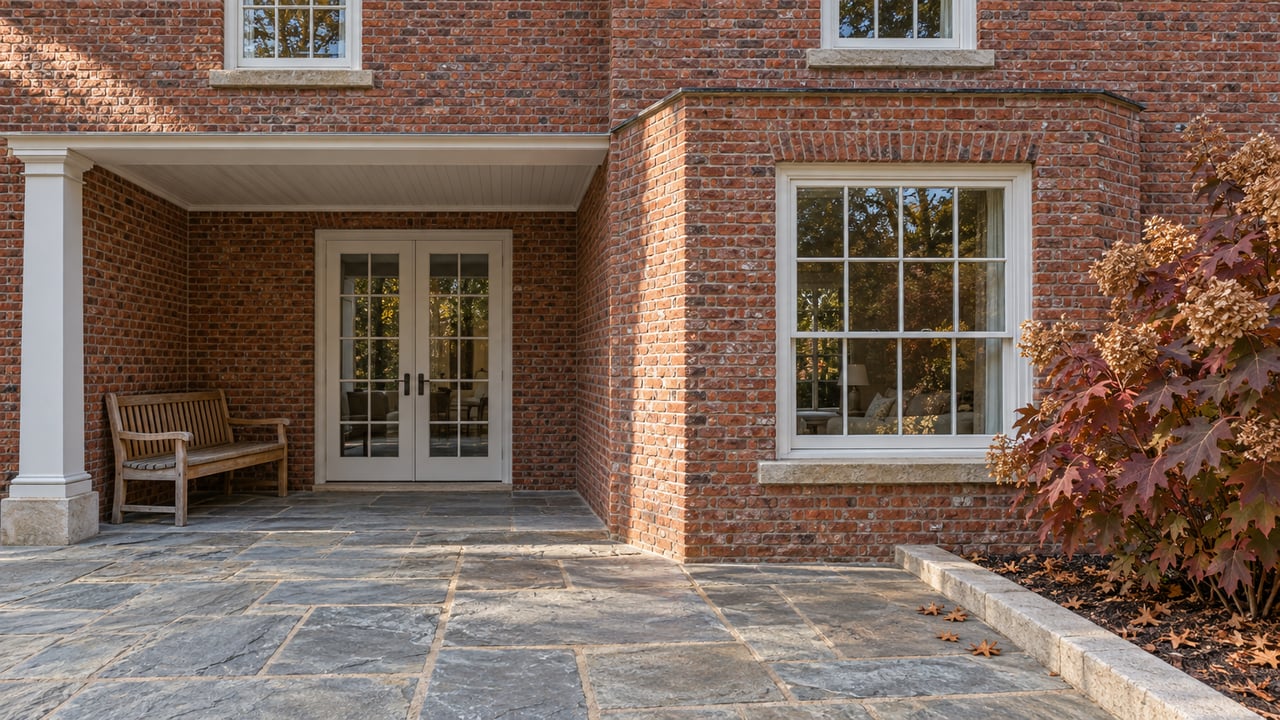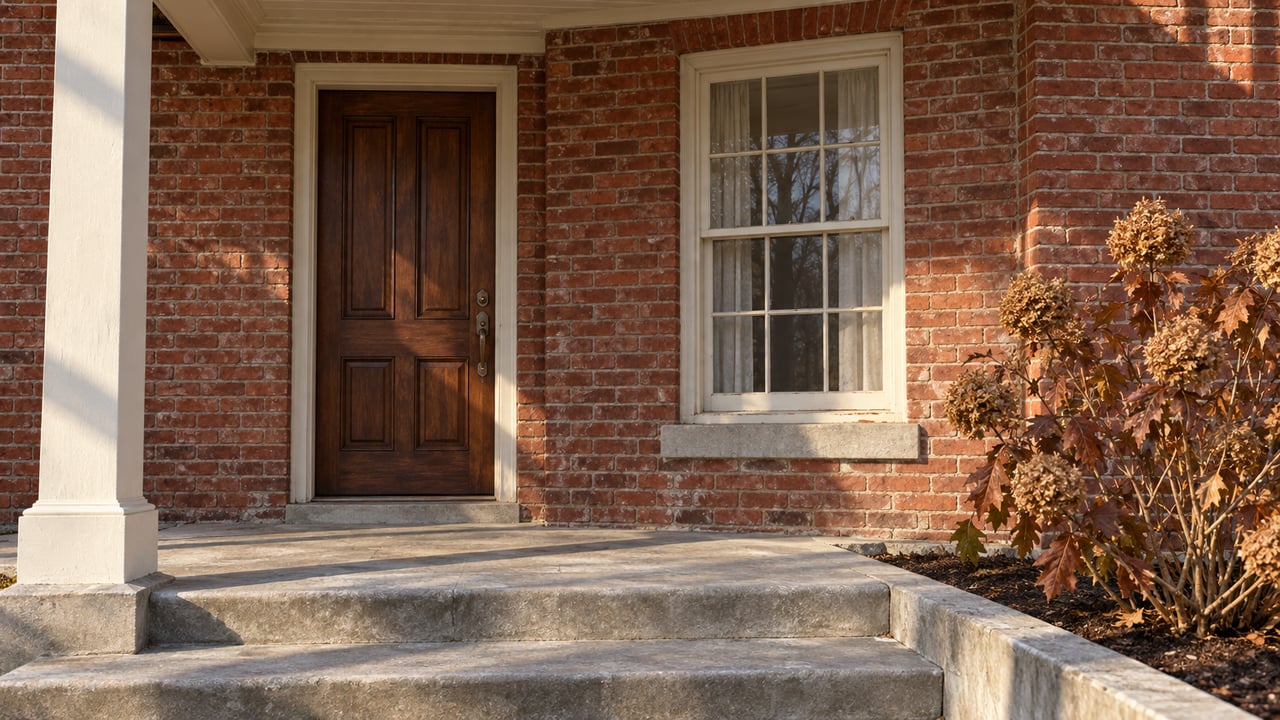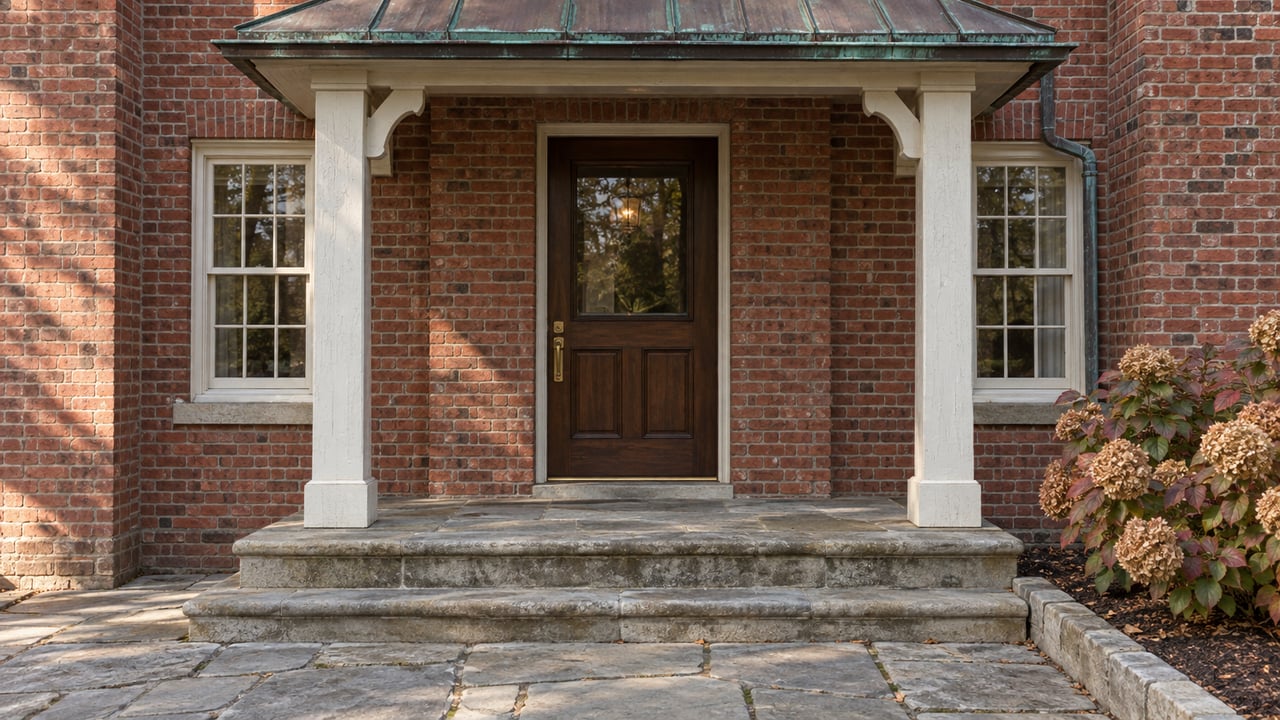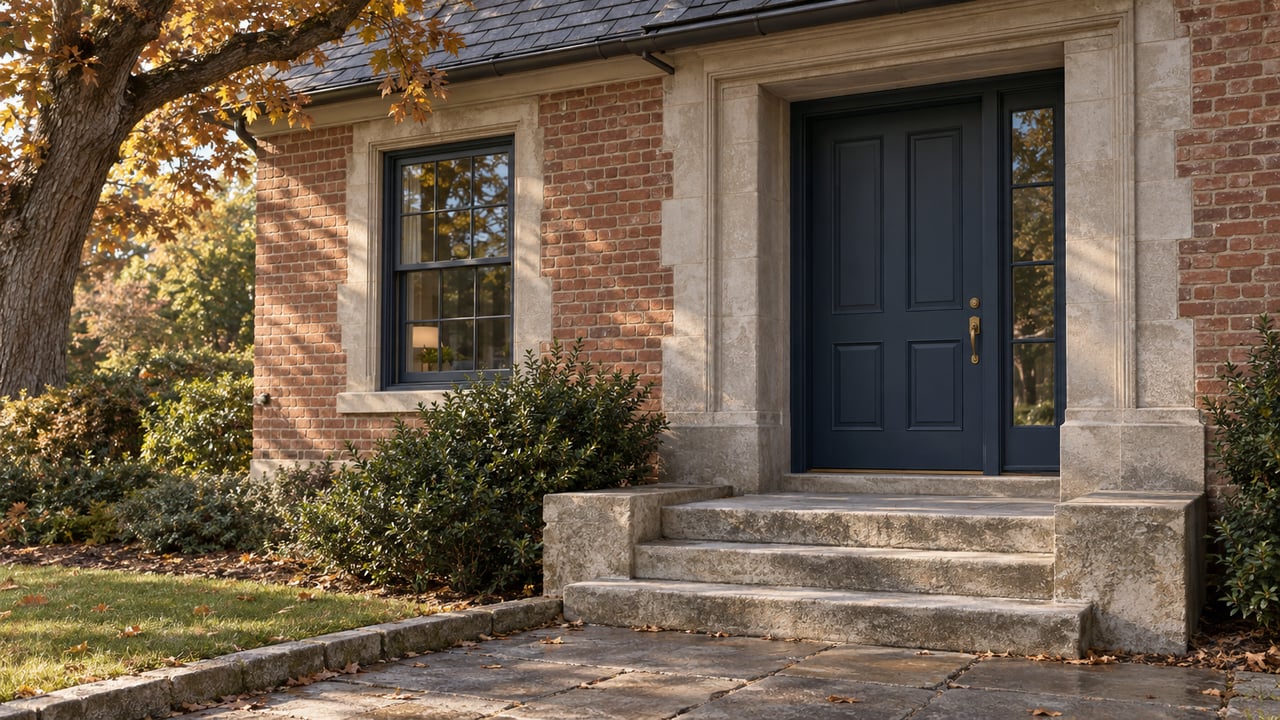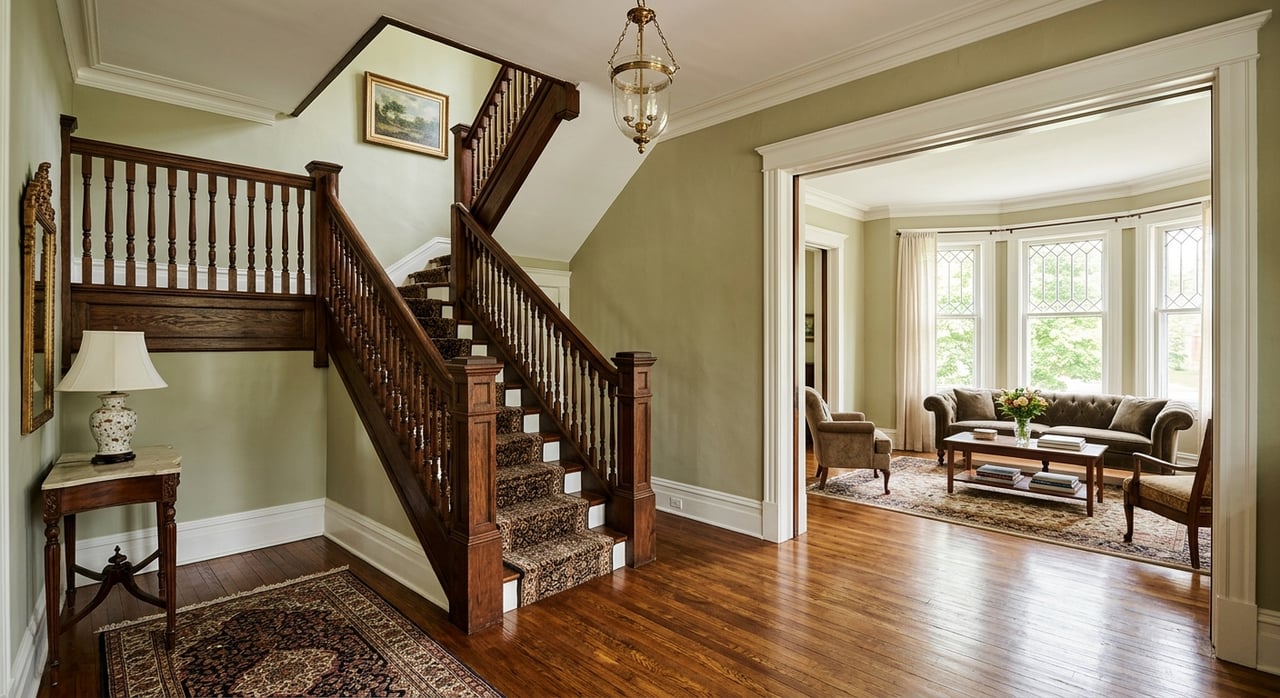
Thinking about selling a historic home in Hagerstown? It can be a smart opportunity, but it also takes more planning than a typical resale. Buyers often love the character, original details, and story behind an older property, yet they also want clarity on condition, approvals, and past work. If you prepare those details early, you can reduce surprises and position your home with more confidence. Let’s dive in.
Start With Historic Status
Before you plan repairs, pricing, or marketing, confirm exactly how your property is classified. In Hagerstown, that matters because local historic district rules, National Register status, and preservation easements each come with different requirements.
Hagerstown has four local historic districts: City Center, Oak Hill, Potomac-Broadway, and South Prospect Street. The city also has six National Register historic districts, reflecting a wide range of architecture that includes downtown Victorian and Beaux Arts buildings, rowhouse neighborhoods, and earlier homes tied to the city’s architectural heritage.
Local District vs National Register
A local historic designation is not the same as being listed in the National Register. According to the Maryland Historical Trust, National Register listing is honorary and does not regulate private owners’ maintenance, alterations, or sale of the property.
Local historic designation is different because it usually brings design review through local rules. In Hagerstown, all exterior improvements to a building, including fences, must be approved by the Historic District Commission before a permit can be released.
Check for an Easement Too
A preservation easement adds another layer. If your home is under easement, the Maryland Historical Trust says approval may be needed before work begins for items such as roofs, walls, windows, doors, additions, site work, solar, or HVAC changes.
If both local and easement approvals apply, the Maryland Historical Trust recommends starting its review first. That one step can help you avoid delays if you are trying to prepare the home for market on a specific timeline.
Plan Exterior Work Early
Historic-home buyers often focus first on the outside of the property. They notice rooflines, masonry, trim, windows, porches, gutters, and overall upkeep before they ever start asking about finishes inside.
National Park Service preservation guidance puts a strong emphasis on routine maintenance and preventive care. That matters because deferred maintenance can speed up deterioration, while steady upkeep is often less costly than replacing damaged historic features later.
Focus on the Building Envelope
If you are deciding where to spend time and money, start with the building envelope. That includes the roof, walls, openings, joints, attachments, and water management systems.
A sound roof and well-maintained exterior attachments help an older building handle weather better over time. Waiting until problems become urgent can lead to more expensive repairs and sometimes create new issues.
Be Careful With Masonry and Repairs
Historic masonry work needs special attention. If your brick has been repointed or other exterior work has been completed, keep all receipts, scopes of work, photos, and approvals.
That paper trail matters for buyers, and it matters even more if an easement is involved. The Maryland Historical Trust notes that even routine repointing requires approval in easement settings and warns that using the wrong mortar can permanently damage historic brick.
Treat Windows as a Selling Feature
Historic windows are often one of the first details buyers ask about. For some buyers, they are part of the home’s appeal. For others, they raise questions about maintenance and energy performance.
The National Park Service says historic windows should be repaired when possible. It also notes that energy performance can often be improved with storm windows or weatherstripping, and that any replacement windows should stay compatible with the building’s historic character and openings.
Show What Was Repaired
If you have restored windows, weatherproofed them, or added compatible storm windows, document that work clearly. Buyers may feel more comfortable when they can see that original features were maintained thoughtfully instead of patched together without a plan.
This is where photos, invoices, and approval records can do real work for you during showings and negotiations. They help turn a buyer concern into proof of care.
Build a Strong Listing File
One of the best things you can do before listing a historic home in Hagerstown is create a complete property file. This helps buyers understand what is original, what has been repaired, and what was officially approved.
A well-prepared file can also make your sale smoother because it gives answers early, before small questions turn into hesitation. For historic homes, clarity builds confidence.
What to Gather Before Listing
Include as much of the following as you can:
- Permit records
- Historic District Commission approvals
- Preservation easement approvals, if applicable
- Before-and-after photos of repairs
- Contractor invoices and scopes of work
- Roof, masonry, window, or exterior maintenance records
- Lead-related reports or testing records, if available
- Notes on major system updates
In a home with age and character, documentation helps separate thoughtful stewardship from uncertainty. That can make a difference in how buyers view condition and value.
Expect Disclosure and Inspection Questions
Historic homes usually attract more detailed buyer questions during due diligence. That does not mean a sale is harder. It means you should be ready for close review.
In Maryland, sellers must use the state disclosure or disclaimer form in applicable residential transactions. If you choose the as-is disclaimer, you still must disclose latent defects you actually know about, and that form is not a substitute for an independent home inspection.
Lead Paint Matters for Older Homes
If your home was built before 1978, lead-based paint disclosure rules apply. Sellers must disclose known lead information, provide available records and reports, supply the required EPA pamphlet, and include the lead warning statement.
The Maryland Department of the Environment says homes built before 1978, especially those built before 1950, may contain lead paint. For official testing, it recommends certified inspectors.
Buyers Will Watch Paint Condition
For a historic home, buyers often pay close attention to paint condition, areas where repairs may have created dust, and whether any lead-safe work or testing has been done. If you already have records, make them easy to review.
If your property is under preservation easement, the Maryland Historical Trust says sellers should contact the agency before the sale. It also encourages an inspection before settlement so the next owner does not inherit an unresolved compliance issue.
Price Around Condition and Proof
When it is time to price the home, historic charm should be part of the story, but it should not be the only story. Buyers may appreciate original details, architecture, and location within Hagerstown’s preserved historic areas, yet they still weigh condition, maintenance, and compliance very carefully.
That is why pricing should reflect more than age, square footage, or visual appeal. A well-kept historic property with documented repairs and clear approvals can often be positioned more confidently than a similar home with missing records or unresolved exterior issues.
Separate Charm From Deferred Maintenance
This is one of the biggest planning points for sellers. Character adds value when it is supported by condition and documentation. Character alone does not erase buyer concerns about old roofing, uncertain masonry work, window issues, or unknown lead conditions.
A strong pricing strategy looks at the full picture:
- Historic designation status
- Exterior condition
- Quality and compatibility of past repairs
- Approval history for visible changes
- Maintenance records
- Buyer concerns likely to come up during inspection
Highlight Potential Eligibility Carefully
For some certified historic structures, National Register listing can support eligibility for certain tax incentives, grants, or technical assistance through the Maryland Historical Trust. Its homeowner tax credit can apply to owner-occupied single-family homes that are certified historic structures, including contributing resources in National Register historic districts and some locally designated properties determined eligible by the agency.
That said, work begun before Maryland Historical Trust review does not qualify. If this may apply to your property, accurate records become even more important.
Position the Home as a Historic Asset
Historic homes in Hagerstown offer more than square footage. They can reflect the city’s architectural heritage and a style of construction that many buyers actively seek out.
The key is to present your property as a maintained, documented historic asset rather than simply an older house. That means your marketing should tell a clear story about the home’s features, condition, approvals, and care over time.
For sellers, that is where strong preparation matters. With the right pricing, polished presentation, and organized documentation from day one, you can protect value and help buyers move forward with more certainty.
If you are planning to sell a historic home in Hagerstown, working with an advisor who understands pricing strategy, presentation, and the details that matter in older properties can make the process more controlled from the start. For a private, strategy-first conversation about your next move, connect with Steve L Powell with Steven L Powell.
FAQs
What should you check first before selling a historic home in Hagerstown?
- Confirm whether the property is in a local historic district, listed in a National Register district, or subject to a preservation easement, because each status can affect approvals and buyer expectations differently.
Do exterior changes to a historic home in Hagerstown need approval?
- Yes. In Hagerstown, all exterior improvements to a building, including fences, must be approved by the Historic District Commission before a permit can be released.
Does National Register status restrict the sale of a Hagerstown historic home?
- No. The Maryland Historical Trust says National Register listing is honorary and does not regulate a private owner’s maintenance, alterations, or sale of the property.
What records help most when selling an older home in Hagerstown?
- Helpful records include permits, approvals, invoices, scopes of work, before-and-after photos, maintenance logs, and any available lead-related reports or testing records.
What lead paint rules apply when selling a pre-1978 home in Maryland?
- Sellers must disclose known lead information, provide available records and reports, give the required EPA pamphlet, and include the lead warning statement.
How should you price a historic home in Hagerstown?
- Price it based on historic appeal, current condition, documented repairs, approval history, and likely buyer concerns during inspection rather than relying on charm alone.