Hagerstown is one of those markets that doesn't get enough attention from buyers who are priced out of the D.C. or Baltimore suburbs. The median home sale price sits around $240,000, and healthcare costs run about 24.7% below the national average - two numbers that matter a lot when you're living in Hagerstown on a fixed income and managing medical appointments.
Homes here move at a reasonable pace, spending roughly 52 days on the market. Whether you're drawn to an active-adult neighborhood or a continuing care campus, knowing the local costs and community rules upfront will save you from a lot of backtracking later.
Hagerstown Senior Living Options at a Glance
The overall cost of living index in Hagerstown is about 103, which puts it just a hair above the national average. That healthcare figure - 24.7% below the national average - is what tends to tip the scales for retirees comparing this market to others.
Transit and walkability depend on which part of the city you land in. The citywide average Walk Score is 52, but neighborhoods near downtown City Square reach as high as 87. Senior living facilities tend to fall somewhere in between, typically scoring between 48 and 66.
Types of Communities Available
The local market spans a wide range - 55+ mobile-home parks on one end, continuing care retirement communities (CCRCs) on the other, with plenty of independent living setups and assisted living facilities in between. Independent living generally means someone else handles the exterior; assisted living means daily personal support is part of the package.
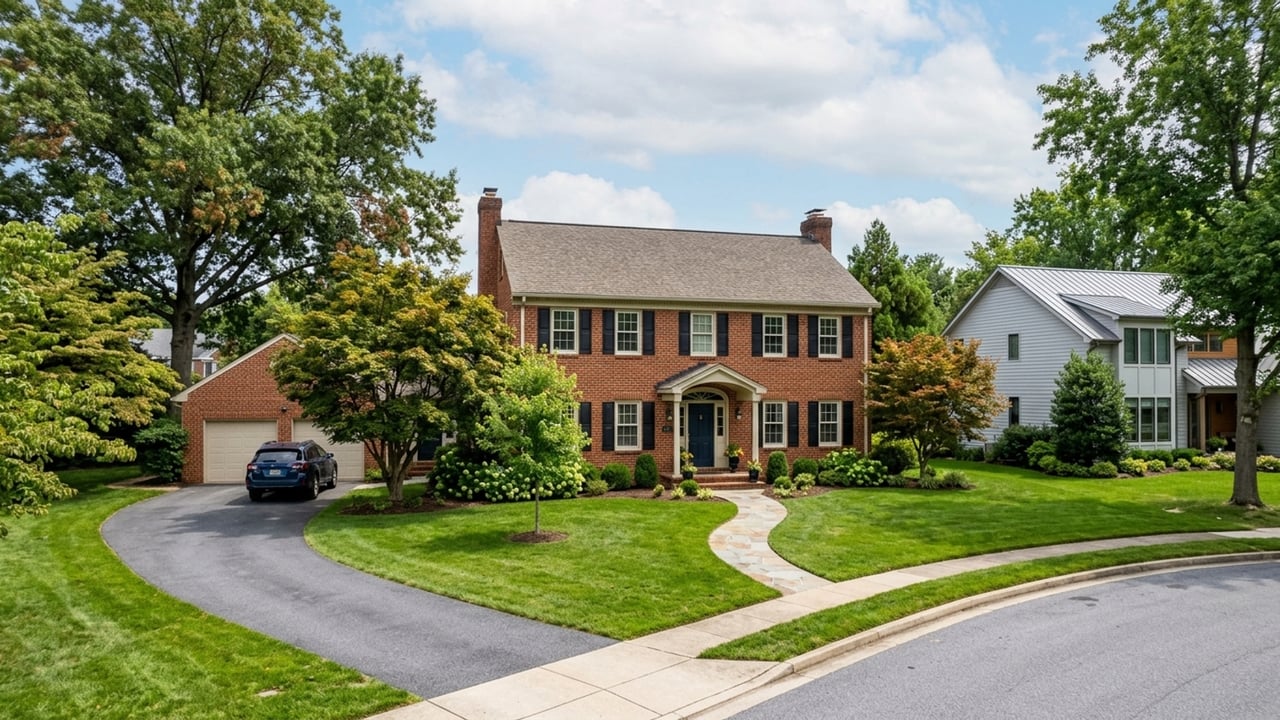
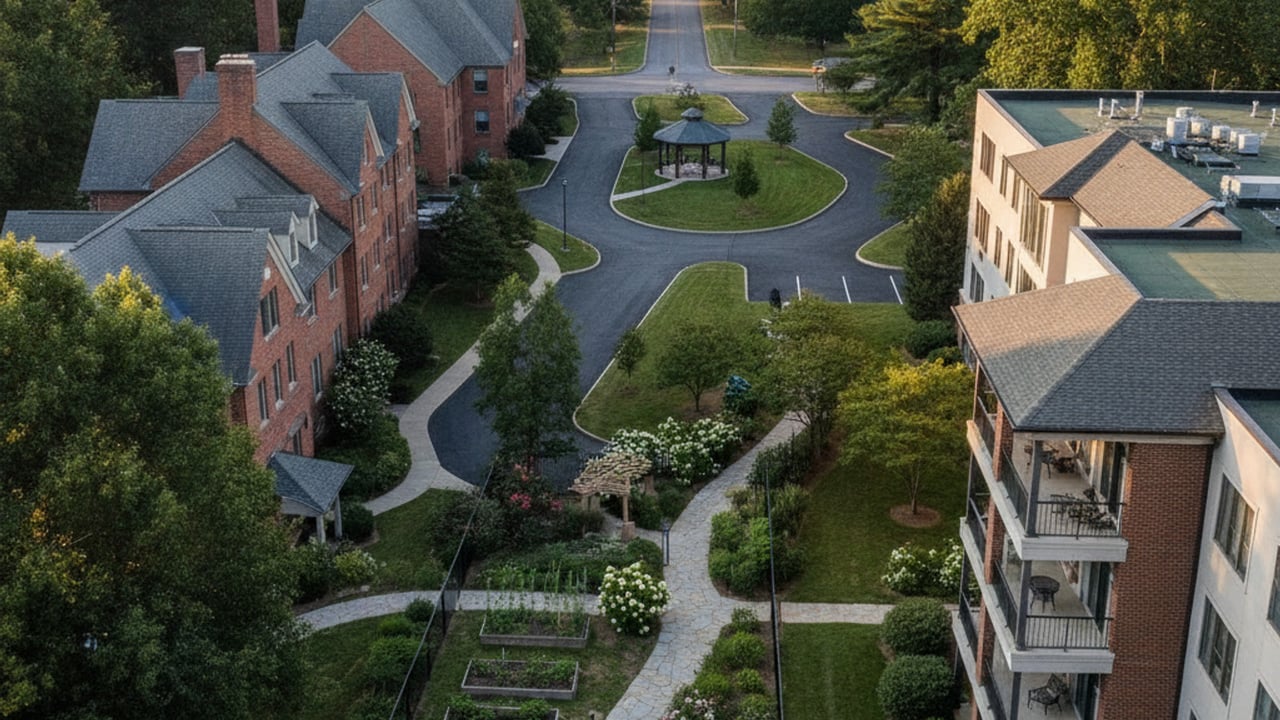
Facilities like Fahrney Keedy Senior Living Community and Brookdale Hagerstown offer different tiers of care on a single campus, which matters if your needs are likely to change. Buyers who want to own rather than pay facility fees often look at 55+ active-adult developments, where you hold the deed but share neighborhood amenities.
The 80/20 Age Rule
Federal law - specifically the Housing for Older Persons Act - allows communities to restrict residency by age. The requirement is that at least 80% of occupied units must include one resident who is 55 years of age or older.
That remaining 20% can technically house younger residents, but individual homeowner associations can impose stricter limits than federal law requires. Review the specific community bylaws before you assume a younger spouse or adult child can live with you.
Featured 55+ and Retirement Properties
Hagerstown currently has about 185 homes available on the broader market, which works out to roughly 4.1 months of supply. Age-restricted listings are scattered from the North End down to the southern city limits, so don't assume the options are clustered in one corridor.
You'll see everything from established continuing care campuses to newer subdivision builds like Creekside Village. Seaton Hagerstown is another property that shows up consistently in searches for dedicated senior housing.
Luxury Versus Affordable Options
High-end options in Hagerstown tend to be upscale CCRCs or active-adult subdivisions with extensive clubhouses and fitness centers. They come with larger upfront entrance fees or higher monthly dues - that's how the premium amenities get funded.
On the other side of the ledger, subsidized apartments and 55+ mobile-home communities serve buyers on fixed incomes. Those affordable options carry strict income caps, and you'll need to qualify before you can apply for residency.
Renting Versus Buying
Buying in an active-adult neighborhood builds equity and locks in your base housing cost, with the caveat that property taxes and HOA dues still fluctuate. One thing worth knowing: about a third of recent home sales in the general Hagerstown market closed above asking price, so expect some competition on desirable single-family listings.
Renting - whether a senior apartment or an independent living unit - trades equity for flexibility. No roof to replace, no water heater to worry about. The tradeoff is annual lease increases you can't control.
Costs and Fees for 55+ Living
The range here is genuinely wide. General city-wide apartment rents for all ages average roughly $1,150 to $1,550 per month depending on the data source, but dedicated 55+ listings tell a slightly different story.
One-bedroom senior apartments average about $1,682 per month, with individual units ranging from $725 up to $1,795. If you're buying a standalone home, you're looking at a different financial structure entirely - monthly association dues on top of your mortgage or your cash purchase.
Entrance Fees and Monthly Dues
Maryland HOA dues typically run $200 to $300 per month, though fees in wealthier communities can push past $1,000 per month. Nationally, 55+ community HOA fees can run up to about $800 per month - useful context if you're comparing Hagerstown to markets in other states.
CCRCs operate differently. They often require a substantial upfront entrance fee that secures your place in the community and locks in access to higher levels of care as your needs change over time.
Does Medicare Help Pay?
Short answer: not for room and board. Standard Medicare doesn't cover the cost of housing in an assisted living facility or an independent 55+ community. It covers approved medical services, short-term rehabilitation, and specific home health care visits - nothing that looks like rent.
Some low-income seniors may qualify for assistance through Maryland Medicaid waiver programs. Those waivers can help offset the cost of personal care services within an assisted living setting, but they still don't cover the base rent.
Pros and Cons of Hagerstown 55+ Neighborhoods
Moving into an age-restricted community changes two things simultaneously: your daily routine and your financial obligations. Those changes aren't good or bad in the abstract - they're just real, and they deserve honest evaluation before you sign anything.
Hagerstown's combination of healthcare access and moderate housing costs makes it a practical choice, but the lifestyle inside a 55+ development genuinely isn't a fit for everyone.
Benefits of 55+ Living
The most straightforward benefit is low-maintenance living. Associations typically handle lawn care, snow removal, and exterior upkeep - which frees up time and removes a category of stress that tends to grow as properties age.
There's also the built-in social infrastructure. Fitness classes, community pools, organized events - the programming is designed for this demographic in a way that a standard neighborhood simply isn't.
Common Downsides
The monthly financial commitment is the primary drawback. HOA fees and facility rents increase over time, and a fixed retirement budget can absorb only so much of that before it starts to pinch.
You also give up a degree of control over your property. Community rules govern exterior modifications, pet ownership, and parking. And the age restrictions have real implications for family - if a younger family member ever needs housing, the community bylaws may not allow it.
How to Choose and Tour a Property
Online photos show you the clubhouse at its best and never show you the section of the building that's overdue for a repaint. An in-person visit is the only way to actually gauge maintenance standards and atmosphere.
Schedule a tour, talk to current residents, and watch how the staff operates when they don't know you're paying attention. Bring specific questions - financial and lifestyle - and treat the visit the way you'd treat any major purchase decision.
Questions to Ask on a Tour
Ask for a printed schedule of all monthly fees and a documented history of recent HOA or rent increases. Request a copy of the community bylaws so you can read the exact age restrictions and pet policies yourself, not summarized by a leasing agent.
If the facility provides medical care, ask about staff-to-resident ratios and emergency response protocols. Get clarity on what's included in the base price and what triggers an additional charge - that line moves around more than you'd expect.
Vetting Reviews and Booking
Look past the promotional material. Search for independent reviews of the property management company or the HOA board, and check state regulatory agency inspection reports for any licensed assisted living facilities in Maryland.
Once you have a short list, contact the sales or leasing office to book a guided tour. Ask to see the actual floor plans that are currently available, not just the model unit.
Frequently Asked Questions
How much are the average monthly HOA fees for 55+ communities in Hagerstown, MD?
Maryland HOA dues typically average between $200 and $300 per month. Fees in wealthier communities can reach over $1,000 per month, and national averages for 55+ neighborhoods can run up to $800.
Can adult children or grandchildren live with me in a Hagerstown 55+ community?
It depends on the specific community bylaws. Federal law requires that 80% of units have at least one resident aged 55 or older, but individual HOAs can enforce stricter rules that ban younger residents entirely.
Are the retirement communities in Hagerstown strictly 55+ independent living or do they offer continuing care?
Both exist here. You'll find strictly independent 55+ active-adult neighborhoods alongside continuing care retirement communities that provide assisted living and higher levels of care on the same campus.
How long is the typical waitlist to buy a home in popular Hagerstown active adult neighborhoods?
Wait times vary by community. The overall Hagerstown real estate market currently has about 4.1 months of housing supply, and homes spend a median of 52 days on the market - so monitor new listings closely and be ready to move.
Am I allowed to rent out my home in a Hagerstown retirement community if I travel for half the year?
You'll need to check the HOA bylaws for the specific community. Many 55+ neighborhoods have strict rules around subletting, lease durations, and the age of any tenants who would occupy the home.