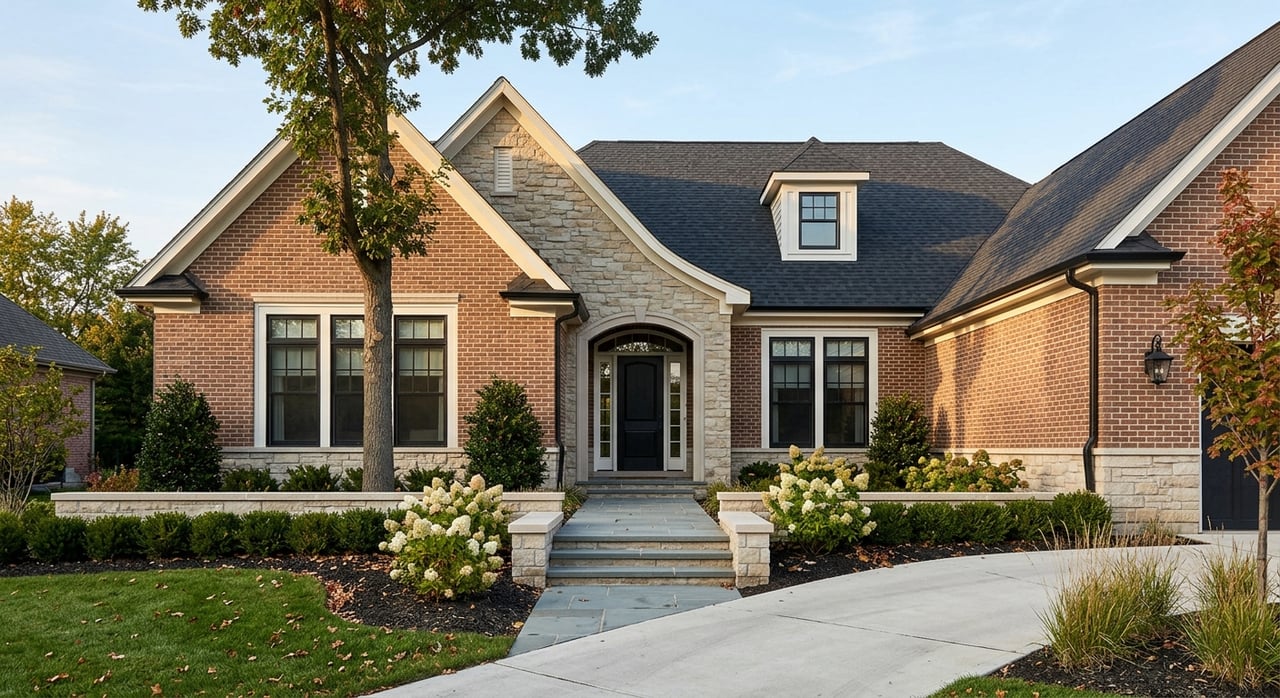
Trying to decide between downtown living and a more suburban setup in Hagerstown? That choice can shape everything from your morning routine to how much yard work you take on each weekend. If you are weighing walkability, home style, parking, lot size, and day-to-day convenience, this guide will help you compare the options clearly and confidently. Let’s dive in.
Hagerstown offers three distinct lifestyle patterns
One of the most useful things to know about Hagerstown is that it is not a one-format housing market. Within one city, you can find a compact downtown core, close-in historic neighborhoods, and newer suburban-edge development patterns.
That variety matters because your best fit often comes down to routine, not just price or square footage. The right choice depends on how you want to live each day, how often you drive, and what kind of home setting feels most comfortable to you.
Downtown Hagerstown lifestyle
Downtown Hagerstown is a compact mixed-use core that the city describes as its commercial, institutional, and cultural heart. The City Center Mixed-Use district covers 162 acres, and local planning efforts emphasize a pedestrian-oriented environment.
If you like having activity around you, downtown may feel energizing. You are closer to restaurants, galleries, theatres, public art, festivals, and civic destinations, all within a more concentrated setting than many buyers expect in a city this size.
What daily life feels like downtown
Downtown living usually works best for buyers who want convenience and character over extra yard space. You may be able to spend less time driving for dining, events, and outings, especially if your routine includes local entertainment or public spaces.
The city also connects downtown to major recreation and cultural amenities. City Park includes lakes, trails, pavilions, sports facilities, the Jonathan Hager House & Museum, the Museum of Fine Arts, the Railroad Museum, and the Mansion House Art Center, while the Hagerstown Cultural Trail links City Park to the downtown Arts & Entertainment District.
What to expect from downtown homes
Downtown housing often includes rowhouses, attached homes, and smaller lots. Representative examples in the city center include lots around 1,752 square feet and 2,788 square feet, though some properties are larger.
That smaller-footprint pattern can be a plus if you want less exterior maintenance. It can be a drawback if your priority is a larger yard, more separation from neighbors, or a private garage setup.
Downtown parking and access
Parking is an important part of the downtown lifestyle decision. The city manages three garages, five public lots, metered on-street parking, and seven city-owned neighborhood lots, with free parking after 5 p.m. on weekdays and on weekends.
That system gives drivers options, but it is still different from stepping into your own driveway or attached garage. If easy private parking is high on your list, this is one of the clearest tradeoffs to think through.
Historic neighborhoods near downtown
If you like older architecture but want a little more breathing room than the downtown core usually offers, Hagerstown’s historic neighborhoods may be worth a closer look. The city identifies local historic districts including Downtown, Oak Hill, Potomac-Broadway, and South Prospect Street.
These areas reflect different periods of the city’s growth, with rowhouses, mansion-house neighborhoods, pre-Civil War homes, and rail-era heritage. For many buyers, that creates a sense of architectural depth that newer subdivisions simply do not have.
Why buyers choose historic areas
Historic neighborhoods can offer a middle ground between urban and suburban living. You may still have good access to downtown amenities while gaining more yard area, more setback space, or a more traditional neighborhood layout.
For example, Oak Hill listings show lot sizes around 0.28 to 0.31 acres, with other nearby examples around 8,250 to 9,750 square feet. That is a noticeable shift from the smaller lots often found in the downtown core.
Historic district rules matter
Character often comes with added oversight. In Hagerstown’s local historic districts, exterior changes require review by the Historic District Commission.
That does not mean a historic property is the wrong fit. It simply means you should be comfortable with the process if you plan to make visible exterior updates over time.
Suburban Hagerstown lifestyle
If your ideal home includes a garage, a newer floor plan, and a more car-based routine, suburban-edge neighborhoods may feel like the easier fit. Hagerstown’s zoning framework points to outer-edge and newer suburban patterns in RMOD and RMED areas, along with RH areas where new apartment complexes are typically built.
Examples named by the city include Hager’s Crossing, Collegiate Acres, Cortland Manor, and Cortland Villas. These areas reflect the layout many buyers picture when they think of suburban living.
What daily life feels like in the suburbs
Suburban routines tend to revolve more around driving than walking. In exchange, you often gain more private parking, more modern layouts, and a little more separation between home life and commercial activity.
For some buyers, that feels calmer and more predictable. If your day includes school drop-offs, commuting by car, or regular errands across town, the suburban pattern may line up naturally with how you already live.
What to expect from suburban homes
Newer suburban communities in Hagerstown often feature attached garages, cul-de-sacs, and moderately sized lots. Hager’s Crossing examples show lots around 5,713 to 7,405 square feet, while a Collegiate Acres townhome example shows a 3,485 square foot lot.
Some communities also include shared amenities. In Hager’s Crossing, examples note features such as pools, clubhouses, fitness rooms, tennis and basketball courts, a soccer field, playgrounds, and walkable access to stores and restaurants.
How zoning shapes lot sizes
The city’s code helps explain why suburban areas can feel different from one another. Minimum single-family lot areas listed online are 7,500 square feet in RMOD, 5,000 square feet in RMED and RO, and 4,000 square feet in RH.
Those standards do not tell you everything about a neighborhood, but they do show how the built environment can change across the city. If space is a top priority, this is one of the reasons two suburban areas may feel very different in person.
Commute and transit in Hagerstown
Many buyers assume this decision is mostly about commute time, but in Hagerstown, routine often matters more than cross-town distance. The county sits at the intersection of I-81 and I-70, and Washington County says Hagerstown is about an hour’s drive from Baltimore and Washington, D.C.
The Census Bureau reports a mean travel time to work of 26.1 minutes for Hagerstown. That suggests many residents are balancing local convenience with regional access.
Transit is available, though it is not a rail-oriented pattern. Washington County Transit operates eight fixed urban routes originating in Hagerstown and serving nearby communities, with service Monday through Saturday and no Sunday service.
How to choose the right Hagerstown fit
If you are torn between downtown and the suburbs, start with your real routine instead of your idealized one. Think about where you spend your time, how often you want to drive, and whether you would rather maintain a yard or have quicker access to dining, arts, and events.
You should also think about the type of home you enjoy living in. Some buyers light up when they see historic details, older facades, and established streetscapes, while others prefer modern layouts, attached garages, and a more private setting.
Downtown may be right for you if
- You want walkable access to restaurants, arts, events, and civic destinations
- You like older housing styles and a more active street environment
- You are comfortable with smaller lots and a different parking routine
- You want to be close to City Park and the Cultural Trail
Historic neighborhoods may be right for you if
- You want architectural character with more space than the downtown core often offers
- You value established streets and older homes with local history
- You want relatively close access to downtown while keeping a more residential feel
- You are comfortable with historic district review for exterior changes
Suburban areas may be right for you if
- You want a driveway or attached garage as part of daily convenience
- You prefer newer floor plans or neighborhood layouts
- You want more emphasis on yard space, private parking, or community amenities
- Your routine is already centered around driving
The best choice is the one that supports your routine
Hagerstown gives you something many markets do not. You can choose between a true downtown core, close-in historic districts, and newer suburban-edge neighborhoods without leaving the city.
That means your decision does not have to be abstract. It can be based on practical questions about parking, lot size, architectural style, access to amenities, and how you want your day to feel from morning to evening.
If you want help narrowing down the right Hagerstown lifestyle and matching it to the right property, connect with Steve L Powell with Steven L Powell. With more than 26 years of experience, 2,700+ properties sold, and a long-standing team serving Hagerstown and Washington County, you can get clear, locally grounded guidance for your next move.
FAQs
What is downtown Hagerstown like for homebuyers?
- Downtown Hagerstown offers a compact mixed-use setting with close access to restaurants, galleries, theatres, public art, festivals, City Park, and other civic and cultural destinations.
What are Hagerstown historic neighborhoods known for?
- Hagerstown historic neighborhoods are known for older architecture, established streets, and a mix of rowhouses, mansion-house areas, and pre-Civil War homes, with local historic district oversight for exterior changes.
What is suburban living like in Hagerstown?
- Suburban Hagerstown generally offers a more car-based routine, with features that may include attached garages, cul-de-sacs, newer floor plans, and community amenities depending on the neighborhood.
Are downtown Hagerstown homes on smaller lots?
- Many downtown homes are on smaller lots than homes in historic or suburban areas, with representative city-center examples showing lots around 1,752 and 2,788 square feet.
Does Hagerstown have public transit for daily travel?
- Yes. Washington County Transit operates eight fixed urban routes originating in Hagerstown and serving nearby communities Monday through Saturday, with no Sunday service.
How do I choose between downtown and suburbs in Hagerstown?
- The best choice usually comes down to your routine, including how often you drive, how much yard space you want, your parking preferences, and whether you value walkability, historic character, or newer suburban features most.