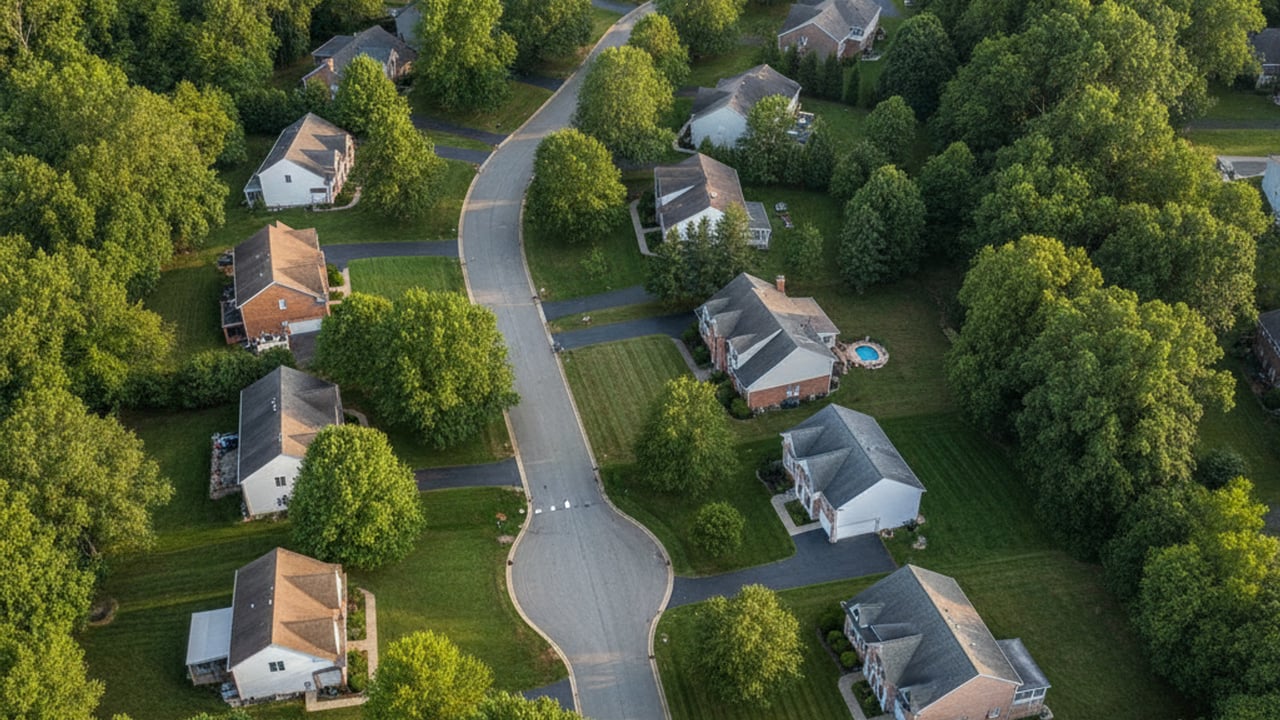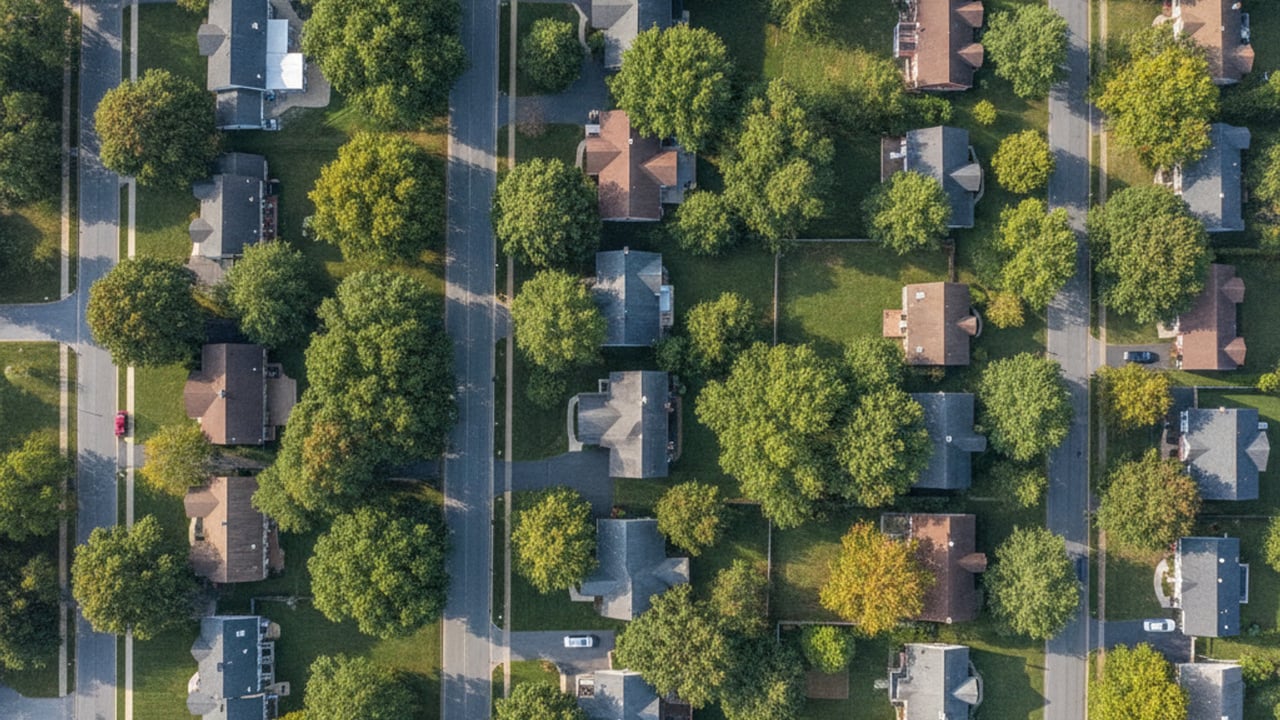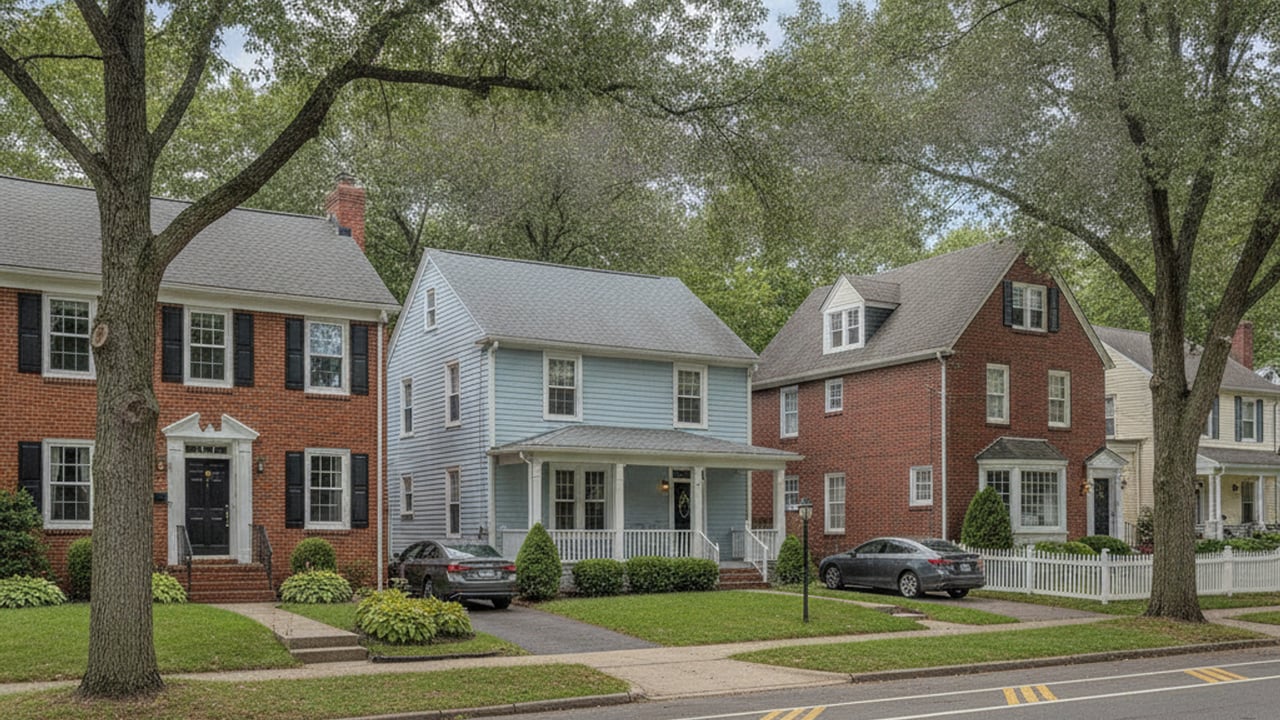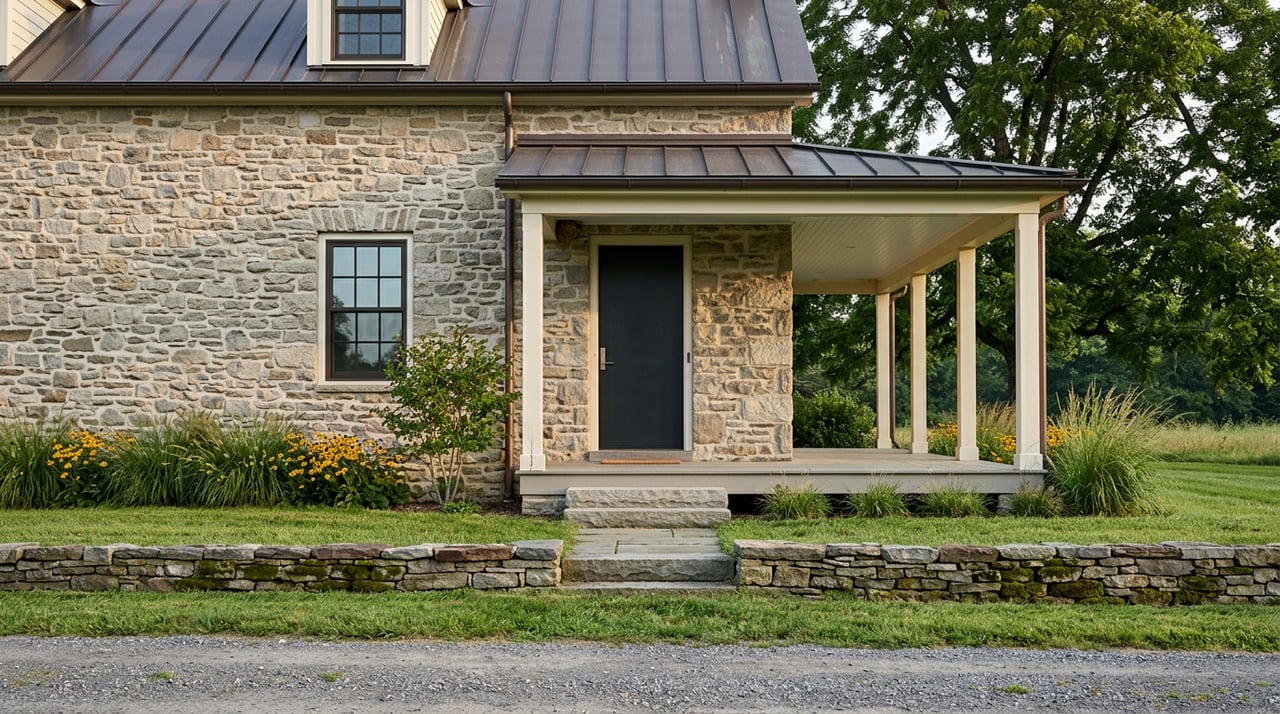
Two farms inside the Hagerstown city limits changed hands into permanent conservation easements this year. A 32.63-acre parcel on Trovinger Mill Road closed on March 19, 2026. A 45.08-acre farm on Little Antietam Road closed on December 29, 2025. Neither is some remote holdout. Both sit in the same rural fringe where buyers browsing acreage near Hagerstown are shopping right now.
That timing is not a coincidence. Washington County has spent decades building a system that pays landowners and, in some cases, buyers to give up a farm's development rights forever. If you're looking at acreage in this market, understanding how that system works matters more than the listing price, because some of what looks like a discount is really a trade.
The county's own math tells the real story
Washington County has preserved close to 44,000 acres against a stated goal of 50,000. That's roughly seven-eighths of the way to a finish line the county set for itself decades ago.
Two programs account for most of it. The Maryland Agricultural Land Preservation Program, or MALPP, is the oldest and largest single piece at just over 16,000 acres, about 39 percent of everything preserved. The Rural Legacy Program is the second-biggest push, protecting more than 10,000 acres, or about 22 percent. The Conservation Reserve Enhancement Program, CREP, adds roughly 2,000 acres, around 5 percent.
Add MALPP and Rural Legacy together and you get more than 60 percent of all preserved land in the county, and both of those programs have already closed their application windows for this cycle. Rural Legacy applications were due January 31, with offers typically extended the following fall. MALPP applications were due before July 1, with offers usually going out the following March. Neither reopens until early 2027.
That's worth knowing if you're assuming you can apply into one of the county's marquee preservation programs before closing on a parcel this fall or winter. The two programs doing most of the heavy lifting aren't taking new applications right now.
What's actually open: MARBIDCO's Next Gen and SANG programs
The financing tool that is available on a rolling basis comes from the Maryland Agricultural and Resource-Based Industry Development Corporation, or MARBIDCO, not directly from the county.
Under the Next Generation Farmland Acquisition Program, MARBIDCO will pay up to 51 percent of the fair market value of the land only, capped at $500,000, applied as a down payment at settlement. Applications are accepted monthly, but you're required to contact the county's ag preservation office at least a month before applying to confirm the farm is a candidate for permanent preservation, and the seller's paperwork needs to reach that same office at least a month ahead of the deadline too. A smaller-acreage version, the Small Acreage Next Generation program (SANG), covers farms between 10 and 49 acres and can fund 40 to 60 percent of value.
Here's the part that changes how a buyer should read this money. It isn't a grant. MARBIDCO takes an option to purchase a conservation easement on the property in exchange for the funding. After settlement, the buyer has several years, and under some program terms up to seven, during which they must apply annually to sell a permanent easement through the Maryland Agricultural Land Preservation Foundation or another approved program. If that easement sale goes through, the buyer repays MARBIDCO the original amount plus a 3 percent administrative fee. If it doesn't happen within the window, the buyer either repays MARBIDCO the original funding plus interest and exits the program, or keeps the money and accepts a permanent easement placed on the property anyway, with no additional compensation.
There is no version of this where a buyer simply pockets the down-payment help and keeps full development rights. Either you buy your way out of the obligation later, or the county's preservation system collects the easement regardless.
What the program actually screens for
The funding also isn't open to anyone with acreage and a bank account. Priority goes to "beginner farmers," defined as someone who hasn't previously owned more than 20 contiguous acres, hasn't operated a farm as a principal operator for more than 10 years, has at least a year of farming experience, and plans to actively work the land. An investor who wants acreage purely as a lifestyle asset or a long-term hold, without an active farming operation, is unlikely to be a priority applicant.
If you're weighing whether Next Gen or SANG financing fits your plans, the sequence typically looks like this:
- Confirm you meet the "beginner farmer" profile that reviewers favor.
- Contact the county's Land Preservation Office, currently overseen by Rural Preservation Administrator Chris Boggs, at least a month before the application deadline.
- Have a ratified contract of sale in hand before you apply.
- Line up a commercial lender or Farm Credit Association for the remaining balance, since MARBIDCO's funds cover land value only, not structures, equipment, or livestock.
- Expect roughly six months between approval and settlement while appraisals and surveys clear.
- Plan around the multi-year obligation to sell a permanent easement, since that clock starts the moment you close.
Why proximity to existing easements matters more near Hagerstown
MALPP ranks candidate properties in part on proximity to other easements already in place. Land near an existing preservation block, like the ground surrounding Trovinger Mill Road and Little Antietam Road in Hagerstown, or the larger Rural Legacy corridor near Dam 4 Road in Williamsport, scores higher when the county decides where to direct public preservation dollars next.
For a buyer, that means acreage next to already-preserved farms is more likely to become a target for future preservation pushes, whether or not the current seller has ever applied to any program. That can be a real advantage if what you want is stable rural neighbors and protected views for the long term. It's a real constraint if your plan involves subdividing later or adding outbuildings beyond what a typical agricultural footprint allows.
A quick side-by-side
| Program | Share of Preserved Acreage | Funded By | Application Window |
|---|---|---|---|
| MALPP | About 39% (16,000+ acres) | Maryland Agricultural Land Preservation Foundation | Due before July 1, offers typically extended the following March |
| Rural Legacy | About 22% (10,000+ acres) | Maryland Dept. of Natural Resources | Due January 31, offers typically extended the following fall |
| CREP | About 5% (roughly 2,000 acres) | Maryland Dept. of Natural Resources | Rolling, tied to federal conservation cycles |
| Next Gen / SANG | Buyer financing tool, not a county acreage program | MARBIDCO | Monthly, with a month's advance notice to the county office required |
The number worth remembering isn't the total acreage. It's the 61 percent: more than three-fifths of everything Washington County has ever preserved sits inside two programs that aren't accepting new applications again until 2027.
A short FAQ
Does buying near a preserved farm restrict what I can build on my own property? Not automatically. An easement applies only to the specific parcel it covers. But proximity to preserved ground raises your property's score if the county or a land trust later approaches you or a future owner about preservation, and it can shape zoning conversations for the surrounding area over time.
Can I walk away from a Next Gen agreement after settlement if my plans change? Yes, but not for free. You can repay MARBIDCO's original funding plus interest to exit, or keep the funds and accept the permanent easement being placed on the property with no further compensation.
Is Next Gen the only financing help for smaller acreage? No. The SANG program specifically targets farms between 10 and 49 acres and can cover 40 to 60 percent of the land's fair market value, again in exchange for an eventual permanent easement.
If you're weighing a farm or a tract of acreage near Hagerstown and want to know what's actually attached to it before you write an offer, that's exactly the kind of due diligence Steven L Powell works through with land and investment buyers across Washington County. Request a Private Home Valuation to start that conversation before your next offer goes in.